| Why fall detection keeps winning and fall prevention keeps waiting
| Observations of a Newly Minted Older Person
| Louis Tenenbaum
Thirty-eight thousand Americans die from falls every year. That’s five commercial plane crashes every week every week, without pause. We would never tolerate that death toll from aviation and simply build a better black box. Yet that is precisely what we have done with falls: invested heavily in detection while leaving prevention underbuilt, underfunded, and largely ignored.
We know how to find people on the floor. We are much less interested in keeping them off it.
Falls among older adults are one of the most common, costly, and preventable causes of serious injury in this country. We know where they happen — half at home, 37% at the tub-shower transition. There is a lot of attention to falls. And yet the numbers aren’t improving.
Let me come clean. I have been part of the problem. I did my first home modification in 1988. I’ve spent decades in this field as a contractor, an advocate, a researcher, and a writer, and in that time I have done far too little to make it easy, affordable, and worth someone’s time to stop falls before they happen.
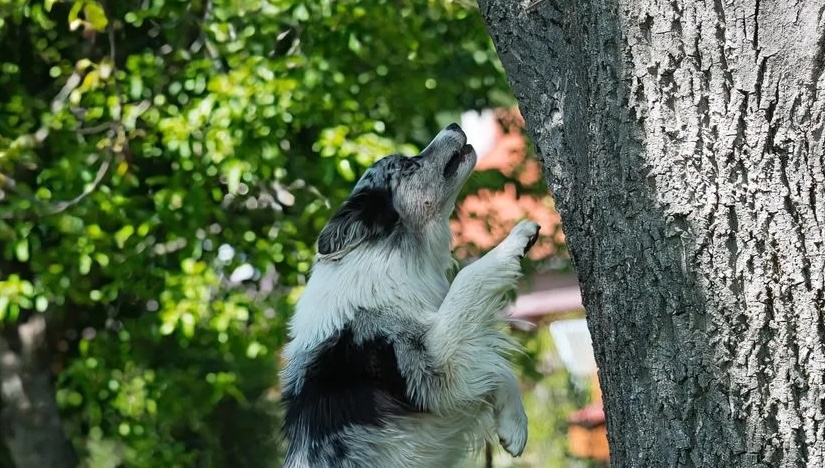
We have solved the wrong problem, beautifully and expensively. We have invested heavily in fall detection devices that sense when someone has fallen and summon help. The technology keeps getting better. Some of it is genuinely useful. But detection is, by definition, what happens after the fall. Once someone falls, life starts to deteriorate. Medical expenses grow. The window for easy, inexpensive intervention has closed. We’re barking up the wrong tree.
The real cost savings come through prevention. A properly installed grab bar at the tub-shower transition where more than a third of home falls happen is concrete, permanent, and requires nothing of the person using it. No app to remember, no exercise regimen to maintain, no behavioral change at all. You reach for it because it’s there.
So why aren’t there grab bars in every bathroom in America?
Support independent journalism on aging
Part of the answer is stigma, though less than we assume. A Canadian study found that 88.5% of older adults would accept a free grab bar if one were offered. The problem isn’t primarily resistance, but that nobody’s offering, and when they do, installation is unreliable. Research shows that many people who identify as professional grab bar installers aren’t following best practices for placement or fastener selection. Unlike major construction, grab bar installations are almost never inspected. Failure can result in the very injury they were meant to prevent.
Part of the answer is also that we’ve been trying to motivate people the wrong way. Telling someone they’re old and in danger is not a message that moves people to act. I’ve given hundreds of consumer presentations on home safety over the years. The impact has been modest at best.
What Moves People? Getting a Deal.
Think about hybrid cars and solar panels. Millions of Americans adopted them not primarily because they became environmentally conscious, but because there was a tax credit. A financial incentive from a trusted source changed behavior at scale. The same logic applies here.
Long-term care insurers hold policies on people who haven’t gone on claim yet. Every fall that triggers a hospitalization, a rehab stay, a care transition, is a cost they bear. Splitting the cost of a grab bar installation with a policyholder isn’t charity, it’s arithmetic. Medicare Advantage plans face a harder version of this problem because enrollees can switch plans annually, which dilutes the return on any prevention investment. But home health agencies, whose revenue depends on client tenure, have a direct financial interest in keeping people safe and at home. So do financial planners, whose older clients, when they fall ill,need help, and make the dreaded move from home, see the children transfer their assets to another planner.
The message that will resonate isn’t You might fall.
It’s Your insurer will help pay for this.
Or: Your home health agency has a deal for new clients.
Or: Your financial planner thinks this is part of your plan.
Trusted sources, financial framing, shared cost. That’s the approach that has worked for solar. It can work for grab bars.

Meanwhile, fire and EMS departments across the country are absorbing a cost that most people don’t know exists. Lift assist calls — where responders come to your home, help you up off the floor, and leave when you say you’re fine — are a growing share of EMS volume. In many communities it’s now over 20% of calls, up from around 8% a decade ago. Because there’s no transport, there’s no billing. It’s an uncompensated community service, and nationally it represents between $4 and $8 billion in annual costs. Many EMS departments have started using these calls as what they are: a reachable, teachable moment to offer fall prevention resources. A grab bar installed after the third lift assist call is late, but it’s better than the fourth.
Beyond Emergency Response: How EMS is Transforming Fall Prevention Through Grab Bar Installation
None of this is complicated. The barrier isn’t technology or knowledge — it’s coordination, incentive alignment, and installation quality. We know where the falls happen. We know what prevents them. The question is whether we’re willing to organize around prevention rather than keep perfecting our response to the fall after it occurs.
A grab bar is a five-pound piece of hardware. It should not be this hard.

Louis Tenenbaum is a longtime advocate for aging in place, co-founder of the HomesRenewed™ Coalition, the HomesRenewed™ Resource Center, and HomesRenewed Ventures, LLC and a nationally recognized expert on home modifications that support independent living. Discover more columns in this series.


Leave a Reply