| How Telehealth is Changing Dementia Diagnosis, Treatment, and Support
| Demand for dementia care is on the rise, while specialists are in short supply. UsAgainstAlzheimer’s is responding by collaborating with Synapticure and Isaac Health to help people connect with dementia specialists faster through virtual care. Beyond reducing wait times, the MyBrainGuide is designed to make specialty dementia care more accessible. We spoke to Catherine Patterson, UsAgainstAlzheimer’s acting COO, to find out how telehealth is changing access to dementia diagnosis, treatment planning, and support. This interview has been edited for length and clarity.
How is UsAgainstAlzheimer’s meeting the moment?
We want to make Alzheimer’s disease treatable, preventable, and, ultimately, curable. We think about this work through the lens of health equity—that is, who bears the burden of the disease? And so we have a specific focus on women, Latinos, and African Americans.

What are the systemic challenges today?
We cannot mint new neurologists tomorrow. That takes a long time. I think the other challenge is that primary care providers are tasked with a long list of conditions and questions to ask, and without proper training, that can be incredibly hard.
This is a personal issue for both of us.
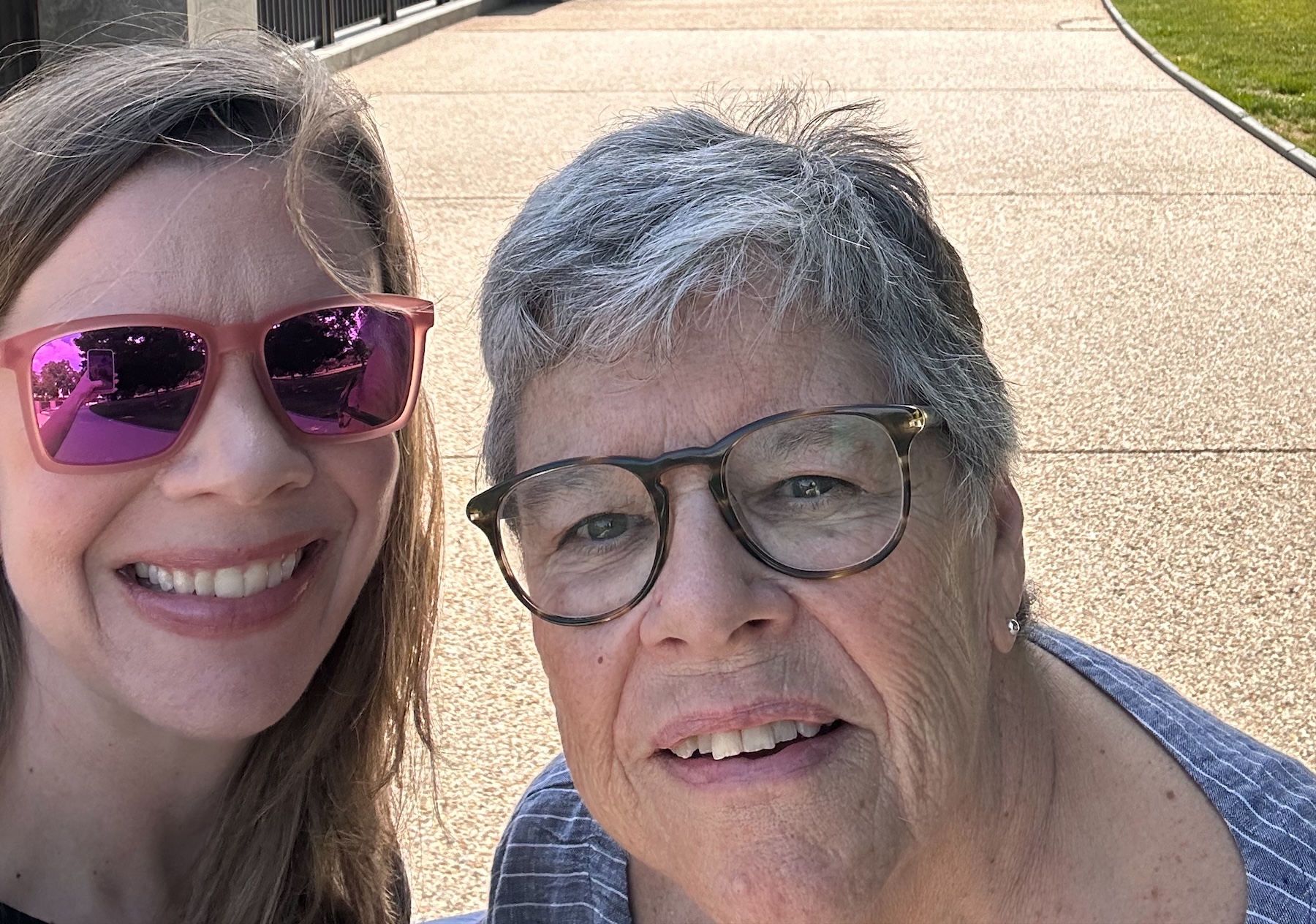
My mom was diagnosed with Alzheimer’s last June. She and I went up to the Hill with UsAgainstAlzheimer’s, and we advocated with some other groups that were all looking to increase funding for the NIH for clinical research. My mom and I were partnered with a gentleman who has lost four family members to ALS, and he himself is starting to exhibit symptoms of ALS. And I’ll tell you, we were a pretty dynamic team.
What are your priorities for educating the public?
One of the things that I find enormously frustrating is that there’s still a misguided perception that Alzheimer’s is just a natural part of aging, that this level of cognitive impairment is what everybody goes through. It’s not true.
I also think for the older folks, there’s still so much stigma and shame around Alzheimer’s and relatively low levels of awareness around the fact that we do have two FDA-approved treatments that only work in the very beginning stages of mild cognitive impairment. So the sooner you are able to be seen, the sooner you get in to see a specialized neurologist, the more time you have to plan to consider options to enroll in a clinical trial. But without that diagnosis, you are really robbed of a lot of options.
Why does the social stigma persist around Alzheimer’s?
It is a scary thing to talk about the loss of oneself, because that is truly what Alzheimer’s is. Particularly for folks who are 65 years in age, I still think that is a major stumbling block in terms of even advocating for even a baseline memory test with their primary care provider, which should be part of an annual Medicare visit.
Support independent journalism on aging
Why is telemedicine important for diagnosis?
We still have many areas of the country that don’t have access to things like a PET amyloid scan. Those tend to be located in academic medical centers, and not everybody has access to that. The other challenge is that even when you have a really savvy, well-informed primary care provider, wait time tends to be between 9 and 12 months. And when we’re thinking about that window of opportunity, especially with regard to treatment, you can progress out of that window during that time where you’re waiting to see a neurologist. And I just think that that’s totally unacceptable. We don’t allow that for cancer. Why are we okay with that for folks who have mild cognitive impairment with suspected Alzheimer’s disease?
How does MyBrainGuide keep you on the cusp of technological innovations?
We just reached a million visitors, which I think is really exciting. Last year we reached over 275,00 consumers, and about 140,000 of those folks actually took the questionnaire. And looking at the treatment landscape, looking at the pathways that patients are faced with, we realized that it is essential to try to get folks connected to telehealth, to overcome some of those long wait times or even give people an on-ramp to a specialized neurologist.
What should healthcare providers and families know about MyBrainGuide?
Everybody should do it. It’s a great experience. There’s even a speech-based cognition element where you can actually call and what you can detect through speech, whether it’s the delay in response or your cadence, which is really a fascinating biomarker. About 20% of our users currently opt for that.
It’s fast, it’s anonymous, and it’s free, and it can provide a baseline for folks to at least know where they are right here, right now. Then if there is interest, they can continue to learn about tips for risk reduction, things like sleep, getting your hearing checked, and eating a healthy diet.
Leave a Reply