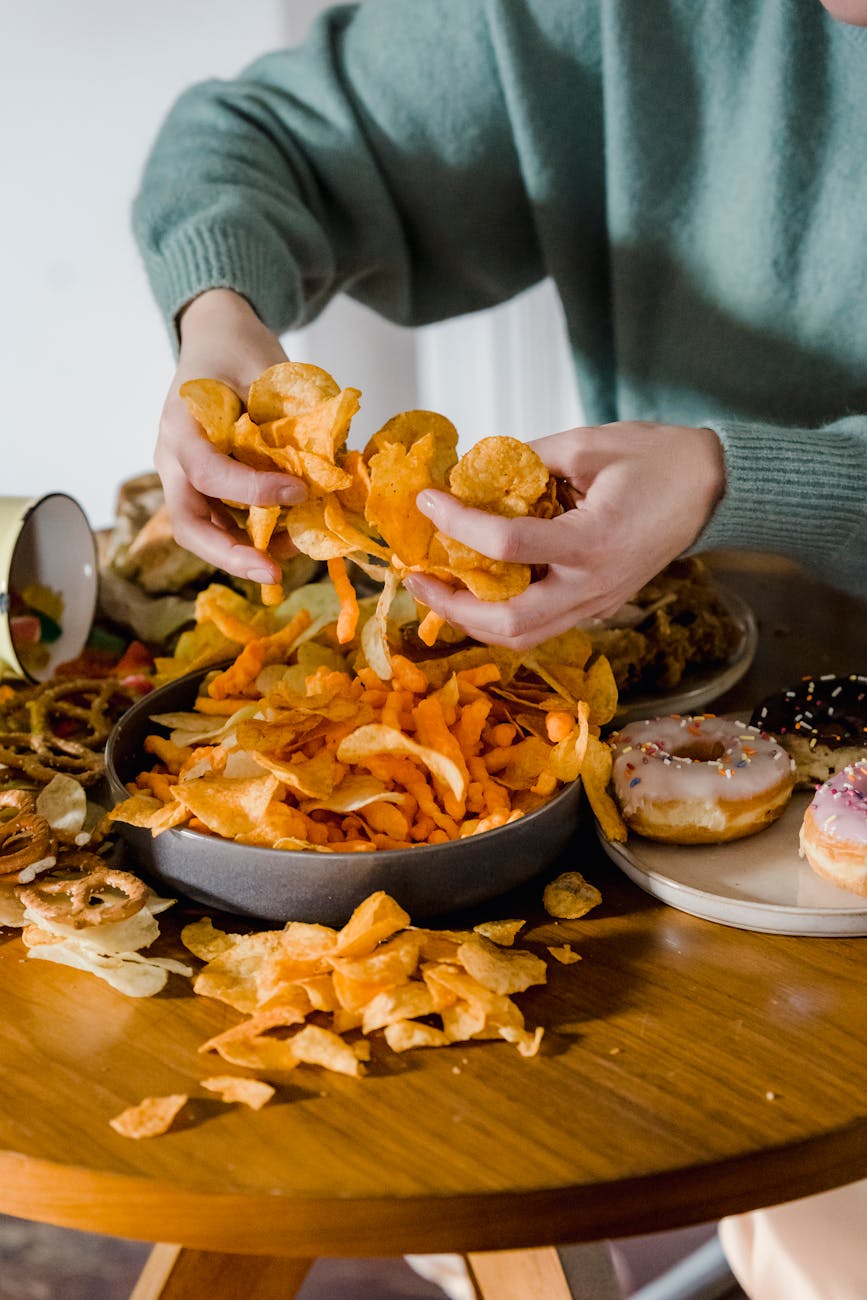
| Reducing Ultraprocessed Food Consumption
| Shalini Kathuria Narang
| The new dietary guidelines for Americans recommends avoiding ultraprocessed foods (UPFs) and sugar-laden snacks and including more protein and whole foods in your meals. The stated goal of the guidelines, which will set the national nutrition standard until 2030, is promoting eating “real food” in an effort to address diet-driven chronic diseases and reduction in national health care spending.
“If you decrease chronic disease you’re going to decrease healthcare costs,” says Dr. Ronald Quinton, Medical Director of Tulane University’s Goldring Center for Culinary Medicine. “Twelve of the top 15 ways we die are diet related. If we reduce those illnesses, the nation can save lots of money by changing small parts of the diet. Replacing UPFs with real home-cooked foods is a quality recommendation towards achieving that.”
Americans face a national health emergency. Nearly 90% of health care spending goes toward treating chronic disease, with much of it linked to diet and lifestyle. More than 70% of American adults are overweight or obese, and nearly 1 in 3 adolescents has prediabetes.
“These guidelines return us to the basics,” said Secretary of Health and Human Services Robert F Kennedy, Jr. “American households must prioritize whole, nutrient-dense foods—protein, dairy, vegetables, fruits, healthy fats, and whole grains—and dramatically reduce highly processed foods.”
Study Shows Addiction to Ultraprocessed Foods
In a study published in the journal Addiction, University of Michigan researchers show that 21% of women and 10% of men in their 50s and early 60s meet criteria for addiction to UPFs. The study is based on national data from more than 2,000 older Americans. The new paper builds on a previous poll report by diving deeper into generational differences and correlations with health.
The researchers used the modified Yale Food Addiction Scale 2.0, a tool adapted from the criteria used to diagnose substance use disorders. The scale asks questions about 13 experiences with UPFs and drinks that define addiction, such as strong cravings, repeated unsuccessful attempts to cut down, withdrawal symptoms, and avoiding social activities because of fear of overeating. In this case, the “substance” is highly rewarding UPFs such as sweets, fast food, and sugary beverages. By applying clinical addiction criteria to UPFs, the study highlights the ways in which such foods can “hook” people.

An Addiction Higher Amongst Women
Unlike traditional substance use disorders which historically have been more common in older men, UPF addiction is higher amongst women in their 50s and early 60s.
“One reason may be the aggressive marketing of “diet” UPFs to women in the 1980s. Low-fat cookies, microwaveable meals, and other carbohydrate-heavy products were promoted as weight-control solutions, but their engineered nutrient profiles may have reinforced addictive eating patterns. “Those women may have been exposed to UPFs during a sensitive developmental window, which may help explain the poll’s findings for this age group,” says Ashley Gearhardt, Professor of psychology at U-M and senior study author. Gearhardt leads the U-M Food and Addiction Science & Treatment Lab.
“The percentages we see in these data far outpace the percentages of older adults with problematic use of other addictive substances, such as alcohol and tobacco,” says Gearhardt. “We also see a clear association with health and social isolation, with much higher risks of UPF addiction in those who call their mental or physical health status fair or poor, or say they sometimes or often feel isolated from others.”
The generation of adults now in their 50s and early 60s is the first to live most of their lifespan in a food environment dominated by UPFs. “These findings raise urgent questions about whether there are critical developmental windows when exposure to UPFs is especially risky for addiction vulnerability,” says Gearhardt. “Children and adolescents today consume even higher proportions of calories from UPFs than today’s middle-aged adults did in their youth. If current trends continue, future generations may show even higher rates of UPF addiction later in life. Like other substances, intervening early may be essential to reducing long-term addiction risk across the lifespan.”
“The findings from our study, based on 4,787 U.S. adults, show that those with the highest intake of UPFs suffer 47% higher risk of cardiovascular disease,” said Charles H. Hennekens, senior author, first Sir Richard Doll Professor of Medicine and Preventive Medicine, and senior academic advisor, FAU Schmidt College of Medicine. “Addressing UPFs isn’t just about individual choices—it’s about creating environments where the healthy option is the easy option. Clinical guidance and public health education are necessary to make nutritious foods accessible and affordable for everyone.”
Suing the Manufacturers
The city of San Francisco filed a lawsuit against some of the nation’s top food manufacturers in December 2025, stating that UPF from the likes of Coca-Cola and Nestle are responsible for a public health crisis. The lawsuit says that by producing and promoting UPFs, the companies violate California’s Unfair Competition Law and public nuisance statute. It seeks a court order preventing the companies from “deceptive marketing” and requiring them to take actions such as consumer education on the health risks of UPFs and limiting advertising and marketing of UPFs to children. It also asks for financial penalties to help local governments with health care costs caused by the consumption of UPFs.
Shalini Kathuria Narang is a Bay Area-based freelance journalist. She has reported and written on health, wellness, diaspora, travel, technology and trends.
Leave a Reply