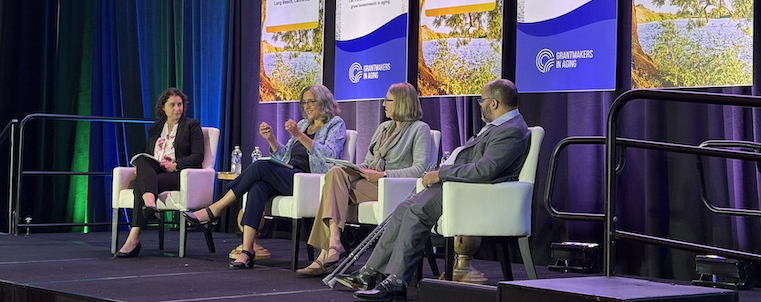
| Part II of Our Q&A with Anna Wadia and Kevin Prindiville
| Mark Swartz
| Anna Wadia is executive director of The CARE Fund, which is a collaborative fund that is bringing together foundations across the care continuum, including aging and disability care, paid family and medical leave, early care and education, and quality care jobs to pool resources to power the care movement. In part II of this two-part conversation, Aging in America News founder Mark Swartz speaks to Wadia and Kevin Prindiville, executive director of Justice in Aging, which helps older adults to access affordable health care, economic security, and the courts.
This conversation has been edited for length and clarity.
Mark Swartz: What are the lessons of these last nine months?
Kevin Prindiville: Nothing is forever. Things can change very quickly. They’ve been changed in ways that we think don’t serve older adults well, but that also means that there’ll be opportunities to change them again. I’m finding inspiration from the older adults that we engage with. They want to see those cuts restored and they want to see Medicaid do more for their communities in the future. Our work is to continue to show up and listen to our communities and then advocate for our communities. Our communities aren’t stopping.
What challenges are you up against?
Prindiville: One of the challenges in aging is how to get people that aren’t yet older to care about aging, and nobody sees that clearer than caregivers. Whether it’s their vocation and their profession to provide that care, or whether it’s somebody who’s doing it for a family member, it’s a whole new perspective and a whole new understanding of the challenges of having those needs as you grow older.
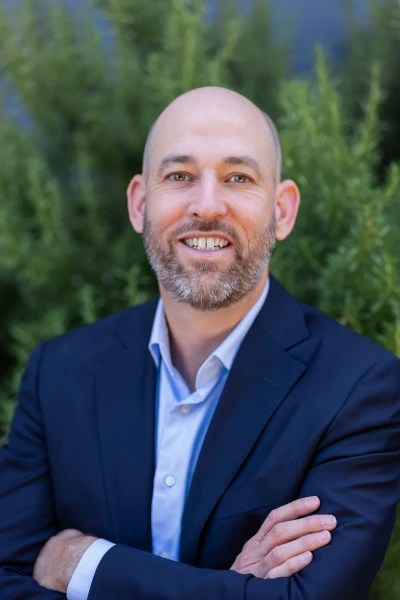
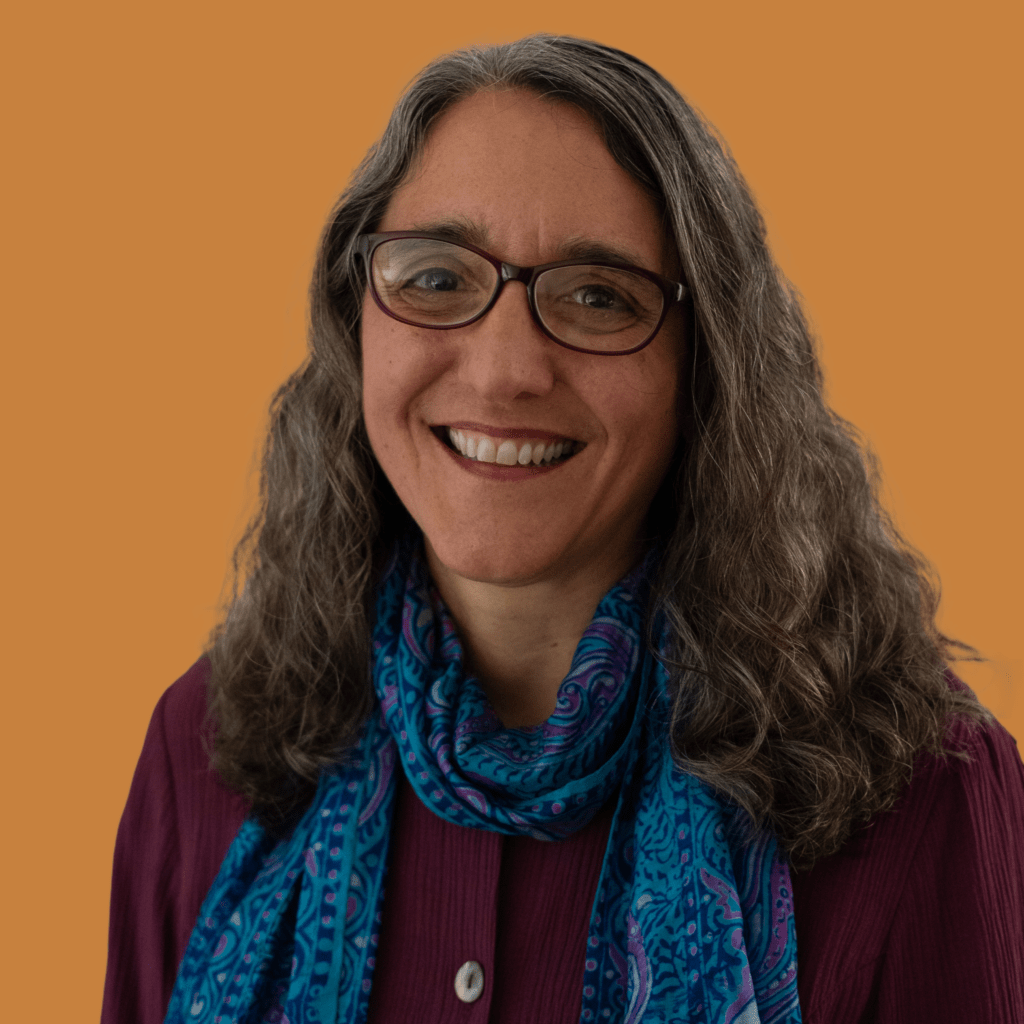
Anna Wadia: The Medicaid fight was an incredible example of groups working together across all of the constituencies that would be impacted. Medicaid is the quintessential intergenerational program that supports care from birth to our last breath. And so we saw groups like ZERO TO THREE working together with Justice in Aging and Little Lobbyists and the American Association of People with Disabilities all bringing their constituencies, their stories, their different relationships with policymakers to this fight. We do a lot to connect grantees with each other that may not have already been connected. For example, in Michigan, the CARE Fund grantees representing older adults, people with disabilities and family caregivers worked alongside SEIU to win back collective bargaining rights for care workers. Working together, advocates for care consumers and care workers not only helped change policy, but are currently working on ways to implement the policy to improve both the quality of jobs and the quality of care.
Medicaid is the quintessential intergenerational program that supports care from birth to our last breath.
–Anna Wadia
And that could be a pattern you repeat in other states and a connection you could repeat. Do you find there’s reasons for optimism in red states?
Wadia: New Disabled South has definitely had some victories over the past several years in funding for home- and community-based services in Southern states. A couple of years ago, when there was this historic boost in funding for home- and community-based services through the American Rescue Plan Act, every single state—Red, Blue, Purple—took up those funds, and every single state did something to improve compensation for home care workers. Now, much of this was temporary money, so it was like a temporary bonus. It didn’t necessarily have the kind of long-term impact that we would’ve liked, but it did show bipartisan support.
Prindiville: Every state Medicaid director we’ve worked with has been looking for ways that they can shift more of their long-term care into homes and communities. And sometimes there are different messages or different values that drive that, but everybody’s driving in the same direction, whether it’s a frame of care for the whole family and whole community, or whether it’s a frame of independence for that older person to get the care exactly where it is that they want to have it. Both of those lead you to trying to build systems that provide care for more people at home. When you ask real people, these are not partisan issues.
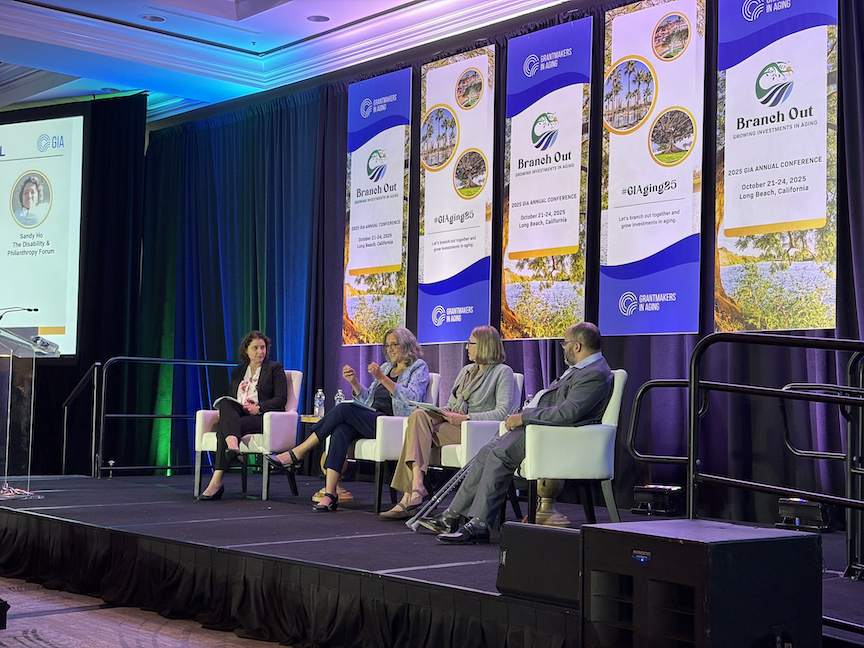
Wadia: Another of our grantees in Michigan is Detroit Disability Power, and they do a lot of work to advocate for accessibility of polling sites for voters with disabilities. That also helps older adults who might have a walker or be in a wheelchair or be visually impaired or hearing impaired to vote. And I actually have a personal experience of that in the 2024 election. A close relative, who is in a wheelchair, really wanted to vote. He also has macular degeneration. He was afraid there was no way he could go in and fill in one of those bubble sheets. I said I’d bring him down to the voting place and we’d see what we could do. I went there with him and his caregiver, and sure enough, we entered and they said that there was this ballot-marking device that he could use, where his wheelchair could fit right in. And everything was on a big screen. He was able to vote as an older adult because of what I’m sure was years of advocacy by people with disabilities in New York City to make the polling sites accessible.
It sounds like a lot of unlikely coalitions driving change.
Prindiville: To me, these are likely coalitions. Why wouldn’t all of us want the curb cuts that we can use when we’re a parent with a stroller, when we’re a person with a disability at any age that might do better with that, that we’re an older person even without a disability, but who is a little bit more susceptible to tripping? That’s a likely coalition. We should all be in coalition to access health care broadly. To me, that’s a likely coalition. There’s not a lot of people who will stand up and say that they are against access to health care. I believe in presenting our ideas as universal as possible and then expecting that we can find lots of people to be in coalition for those ideas. Justice in Aging has always worked at the intersection of age and disability and of trying to bridge those gaps.
We should all be in coalition to access health care broadly
–Kevin Prindiville
What advice do you have for advocates, activists, and funders?
Wadia: We believe that cross-movement funding is vital to advancing the care we all deserve. We hope to see more and more funders invest in supporting care across the lifecycle. We have seen time and time again how coalition-based advocacy that unites aging, disability, children’s, and workers’ rights groups results in stronger protections and dignity for aging communities. No matter how focused a foundation’s mission is, there are ways to support the care movement holistically.
Cross-movement funding is vital to advancing the care we all deserve
–Anna Wadia
For one, there are growing numbers of coalitions nationally and in states that bring care advocates together across issues and with other movements like disability justice, immigrant rights and reproductive rights. Foundations and individual donors can directly fund these coalitions, or give resources to grantees focused on certain issues or constituencies to participate in these coalitions.
Additionally, funders should also practice what we preach and collaborate more with one another. The CARE Fund is one space to do that. At the CARE Fund, we have developed a grantmaking approach that connects donor partners and grantees across issues through peer learning so they understand how different parts of the care economy intersect, and can plan for the consequential years ahead together.
Mark Swartz is the founder of Aging in America News. Read part I of this conversation.

 Aging in America News
Leave a comment