Systemic Failures Are Breaking America’s Caregivers
Carol L. Stokes
What does it mean to “care” in America? For my cousin and me, it means deciding each month whether she gets enough incontinence supplies, or I skip my own health insurance—because $40 is the best the safety net has to offer.
“Arlene” (not my cousin’s real name) has always been one of the most loving people I’ve known. She helped raise her deceased brother’s son and daughter. Arlene then became that faithful, loving auntie to her niece and nephew’s children.
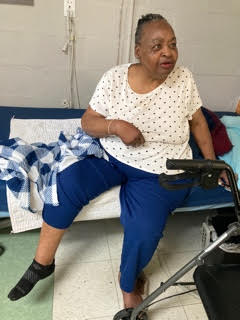
Now 76, Arlene lives with schizophrenia and bipolar disorder. She’s relied on Supplemental Security Income all her adult life. When I became her Power of Attorney when she was 69, I stepped into the roles of caregiver, legal advocate, and often, sole support. I’ve managed her hospital admissions and nursing home care, challenged denials for vital services, and sacrificed my own security—paying for her burial insurance so she’s not forgotten in death, covering personal items because her monthly allotment doesn’t come close to meeting even the most basic needs. Her incontinence supplies alone surpass that $40.
But mine isn’t a unique story. Millions of American families shoulder the same, crushing burden. According to Health Affairs, as of 2022, about 24 million relatives are caring for older adults—often with little choice, no real financial help, and even less recognition. While policymakers of both parties make promises but consistently fail to deliver relief, real people—our nation’s aging, seriously ill, and disabled—are weighing groceries against medication, skipping meals, and postponing repairs. Caregivers are stretching themselves thin to keep loved ones afloat—sacrificing jobs, health insurance, even risking homelessness—to fill the widening gap left by shrinking government support.
Every shortfall for Arlene has meant a deeper cost for me. Supporting Arlene is never optional—it’s the difference between survival and surrender, between maintaining dignity or watching it slowly erode through systematic neglect.
Support, in truth, is virtually nonexistent. Nursing home staff have advised, “pick up some pull-ups for her on your next trip.” When policy fails to meet basic needs, families are left to make up the difference—in dollars, hours, worry, and, ultimately, their own well-being.
Who funds the gap when government shrinks already meager support? Caregivers like me. But for how long? Each cut, each overlooked need, deepens the well of economic disparity and family strain. The system may not recognize caregivers as the backbone of American healthcare—but it’s time our policies finally did.
This isn’t just my cousin’s story. It could be any one of us—and eventually, it will be. This is about a friend, a spouse, ourselves—left to navigate the fragmented patchwork that asks more from families each year, as official support keeps dwindling. I’ve spoken to caregivers who maxed out credit cards and sacrificed their own health, all while trying to fill the gaps left by policy failures.
This crisis does not stop at the poor or the elderly. Middle-class families, single parents, siblings, and even children are quietly becoming America’s sacrificial safety net—giving up tomorrow’s hope to survive today.
It’s up to us. Call your representative today. Your legislator needs to know what life is really like and that you need Medicaid just to survive and additional help to actually live. Then, contact AARP and learn what resources they have to help and join their fight because they need all of us to help them fight for us.
It’s time to acknowledge and fund the real cost of care. Because one day, we’ll all be on one side of this need or the other.
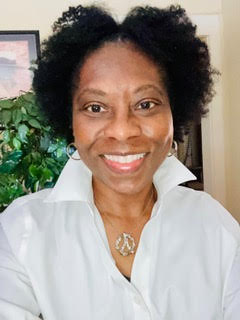
Carol L. Stokes is a caregiver coach, advocate, and writer passionate about helping families navigate the real-world challenges of caregiving and reclaim balance.

 Aging in America News
Leave a comment