Mark Swartz
A man with undiagnosed Alzheimer’s disease wanders out of his assisted living facility and slips into a ditch on beside the highway. A woman recovering from heart surgery assures her doctors that her daughter can take care of her at home, but that daughter is already working two jobs. After paying into Social Security for decades, an undocumented janitor finds himself without any savings when he’s finally unable to work.
America is getting older. According to the Administration on Aging,
- In 2022, people 65 and older represented 17% of the U.S. population. By 2040, they are projected to comprise 22%.
- The 85 and older population is projected to more than double from 6.5 million in 2022 to 13.7 million in 2040 (a 111% increase).
We lack the infrastructure and policy framework to adequately care for today’s seniors, let alone the projected increases in the coming years. Demographic, social, and economic trends virtually guarantee a society-wide reckoning over what aging looks like in our country.
Solutions exist: Experts in government, academia, and beyond have insights worth sharing for improving the safety net and leveraging public-private partnerships. Advocates and activists envision reinventing systems. Architects and designers are developing senior-friendly communities and spaces. Authors and artists are reimagining narratives around growing old. New technologies will make better care more widely accessible.
Aging in America (working title), a new publication and multimedia outlet, promises to spotlight these perspectives and to catalyze dialogue around the urgent issues facing seniors, their families, and their communities. It comes at a time when existing media fail to tell the full story.
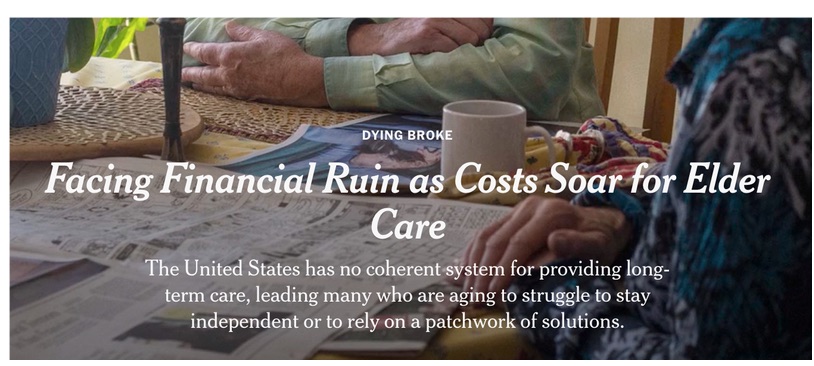
- Mainstream press and television increasingly touch on elder care, but without the nuance or context required. Reports often sound the alarm about the crisis without sufficiently exploring innovations with potential for scale.

- Following the preference of advertisers, online and print magazines aimed at seniors focus on leisure, lifestyle, and financial issues that mostly pertain to affluent retirees
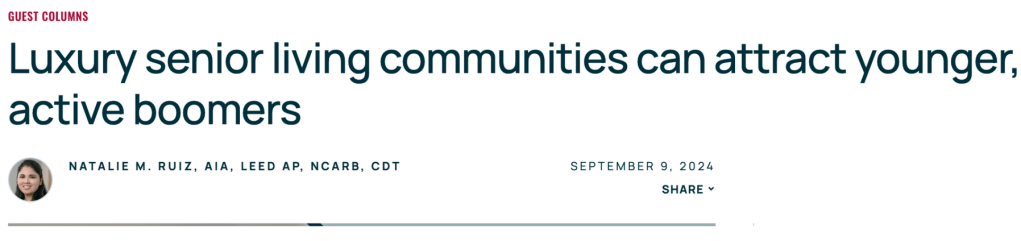
- Industry publications target management of assisted living and other facilities, often overlooking the world of the care workforce that fuels these businesses. They often overlook the equity issues that matter for all Americans.
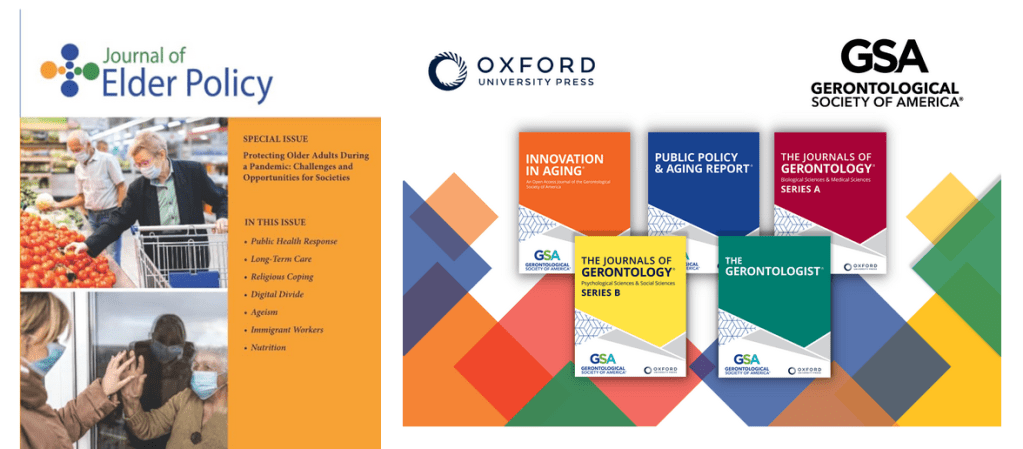
- Health and social science journals present peer-reviewed research for specialists but aren’t geared for the general reader.
Through an equity lens, Aging in America will confront the challenges ahead and explore the solutions at our disposal. This approach has proven effective in other sectors:
- Grist explores climate and environmental issues within a Solutions Journalism framework.
Civil Eats covers food and agriculture with an eye toward larger systems. (In other words, it differs from Bon Appétit in the same way that Aging in America differs from AARP magazine.) - Early Learning Nation: This independent magazine devoted to early learning (0-5 years) covers groundbreaking research, early learning policy and best practices. Initiated by the Bezos Family Foundation, it’s now part of the 74, an independent news source on education.
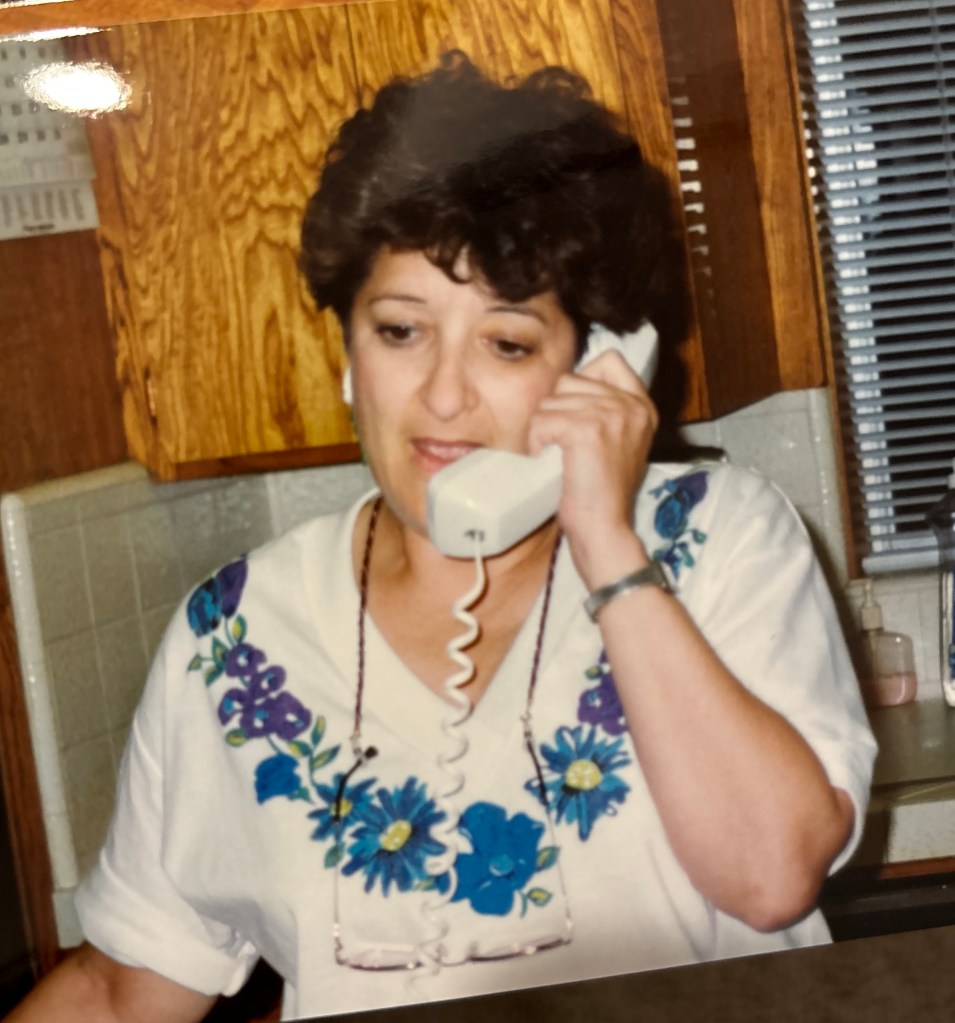
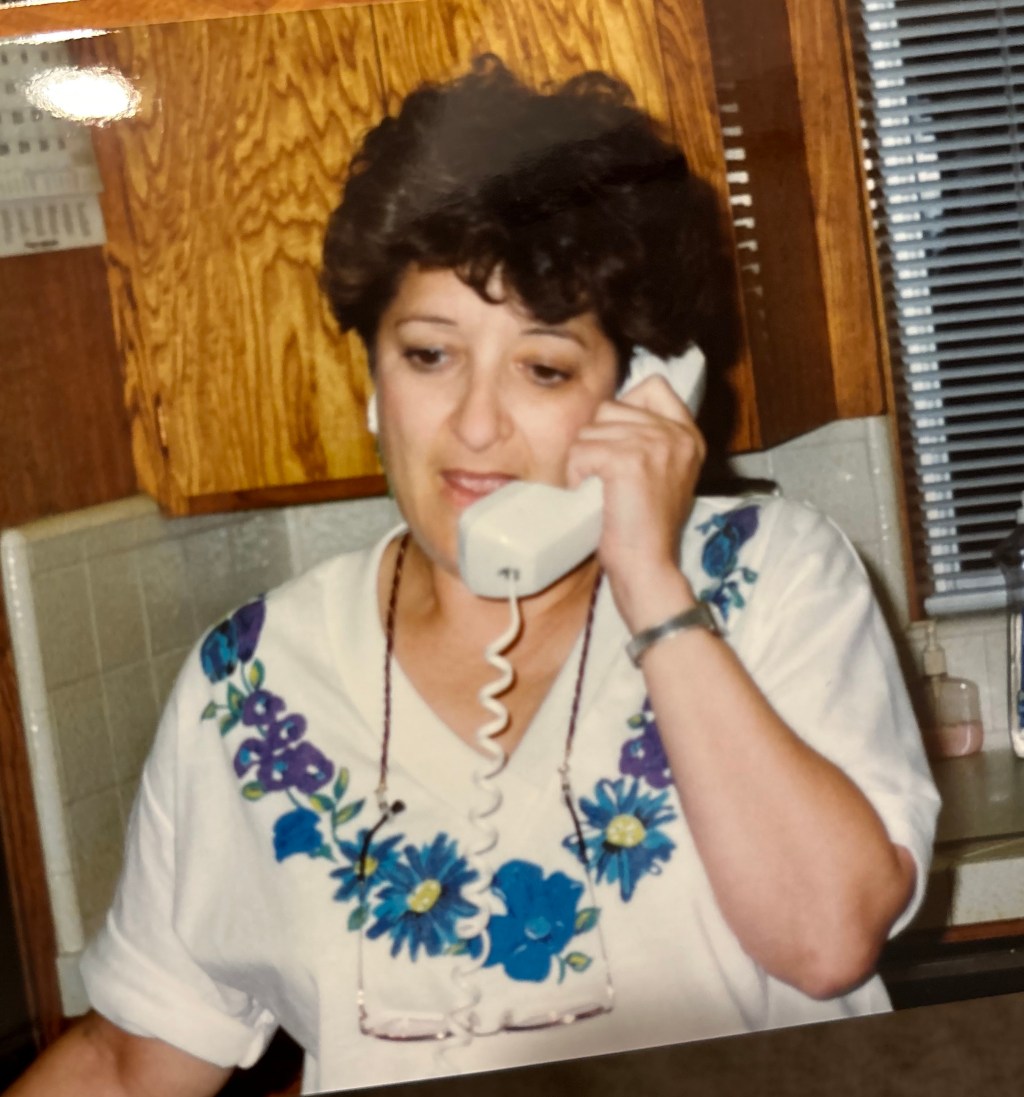
On a personal note, starting Aging in America brings together my experience writing over 200 stories for Early Learning Nation with the ordeal my brother and I went through managing the care of our mother, Laurel Swartz (1942-2023). The dedicated professionals who took care of her—mostly women, mostly immigrants, all underpaid—shared much in common with the early education workforce I write about on a regular basis.
My September 2024 Early Learning Nation story Care for All: Key Lessons for Child Advocates from the Broader $648 Billion Care Economy highlighted the parallels between elder care and child care. There is far more to say, from a wide range of experience. “Maintaining a holistic view of care,” I wrote, “avoids characterizing any one type as more or less worthy of public investment so we can forgo arguments about whether seniors or young children are more deserving; the care sector is stronger united than divided.”
Mark Swartz founded Aging in America and is a frequent contributor to Early Learning Nation.

 Aging in America News
Leave a reply to About – Aging in America News Cancel reply