| Don’t Leave Them out of the State of the Union
| Ellie Hollander and Bob Blancato
| Affordability will surely be a major focus during the State of the Union address on Tuesday. But will the President address the specific affordability challenges that seniors uniquely face? The fact of the matter is that the state of the union for older Americans is deeply concerning.
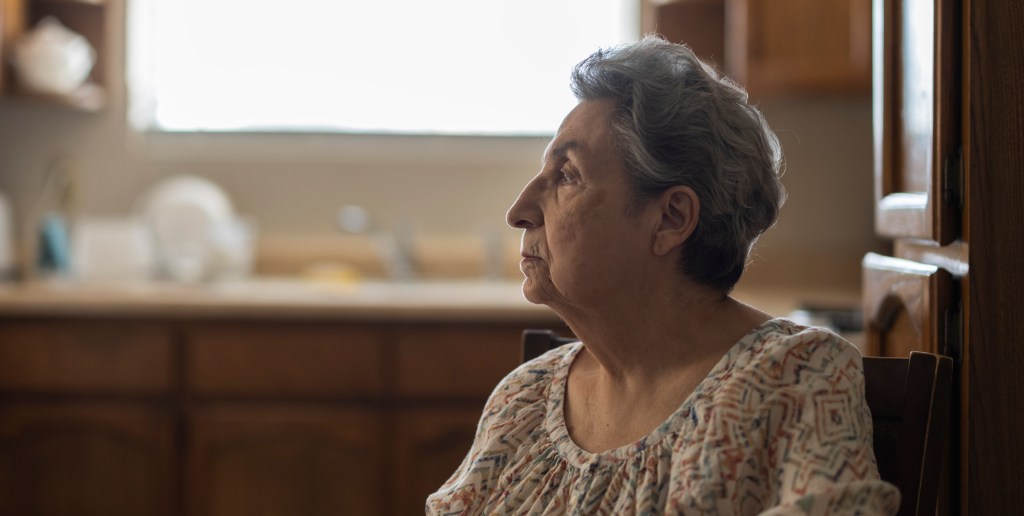
There is a silent humanitarian crisis affecting so many in our communities. It’s mounting behind closed doors because our society does not prioritize the needs of our aging neighbors. One in two seniors living alone lack the income to pay for basic needs, and more than 14 million struggle with food insecurity. Older adults have contributed so much to our lives, and they deserve a reciprocal level of attention. They deserve support, respect and dignity. Yet their pressing needs are underfunded and ignored. Case in point: less than 1% of philanthropic giving goes toward senior causes. And not nearly enough federal funding is given to support them either.
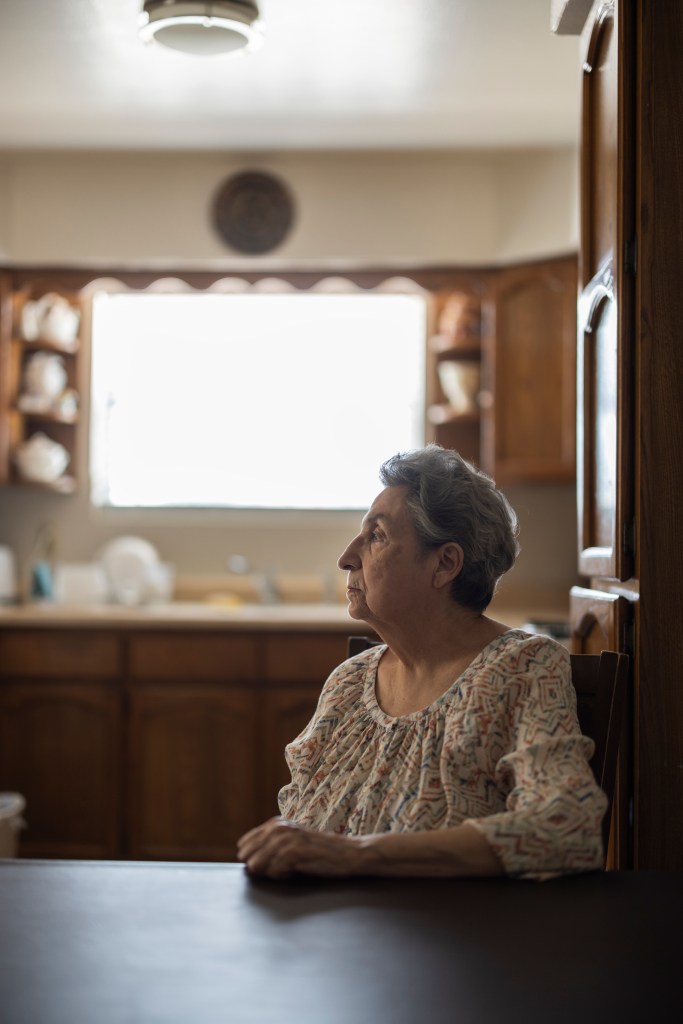
Senior nutrition programs, such as Meals on Wheels providers, can offer relief. But the federal funding they receive enables them to serve only about half of the vulnerable seniors in need. The Older Americans Act (OAA) Nutrition Program has seen two years of flat funding following the first time it was cut in more than a decade. As the senior population grows and costs continue to rise, flat funding actually represents a service cut, and ongoing funding shortfalls will only exacerbate the spiraling problem of unmet need. The State of the Union address presents an opportunity for the President to prioritize seniors and commit to including more funds for the OAA Nutrition Program in his upcoming budget request for Fiscal Year 2027. With national conversations about improving nutrition and health at the forefront, it’s past time to give seniors, the fastest growing part of the population, a seat at the table.
For example, recommendations in the new Dietary Guidelines can help make a big difference to improve the health and well-being of seniors—specifically, the recommendation to eat real, whole foods and increase consumption of nutrient-rich fruits, vegetables, proteins and whole grains. We applaud this recommendation, especially at a time when the rate of deaths resulting from malnutrition in Americans 85 and older is soaring, according to recent data from the CDC.
However, there’s an undeniable reality we must confront—providing age-appropriate healthy meals that make use of whole, natural foods is costly.
When the U.S. Department of Health and Human Services (HHS) Secretary Robert F. Kennedy, Jr. participated in a historic visit to a local Meals on Wheels provider last summer, we made one key point clear: America’s seniors don’t just need our support, they deserve it. Secretary Kennedy left his visit with a deeper understanding of the critical, life-sustaining role that programs like Meals on Wheels play in communities nationwide and the crises of senior hunger and isolation that have grown worse due to funding shortfalls that prevent our programs from serving all in need.
Millions of vulnerable older adults are now counting on him to translate that understanding into a commitment of support for policies that protect and increase funding for the OAA Nutrition Program. In fact, in the video that Secretary Kennedy posted during that visit, he declared:
“History will judge the humanity of our civilization by how we care for our elderly. Meals on Wheels does not just provide nutrition for the malnourished; it combats the epidemic of loneliness through daily acts of care and compassion. President Trump has asked us at HHS to continue supporting Meals on Wheels so that no American in their twilight years feels forgotten.”
We are counting on the President to echo this sentiment during Tuesday’s State of the Union address, making a clear commitment to prioritize seniors’ health and well-being.
We urge the Administration to protect and invest in critical senior services by leading the charge to increase federal funding for senior nutrition programs that keep older Americans nourished, connected and independent in their own homes. We will be tuning into the State of the Union and hope to hear that seniors will finally be prioritized.
Meals on Wheels America and NANASP have a long-standing history of working with elected officials and public figures from both sides of the aisle as we advocate for older adults in our country. Our number one priority will always be supporting America’s seniors and doing everything we can to ensure that decision makers understand just how essential nutrition services are for our aging population, and just how effective our providers are in fulfilling that obligation. Let’s work together to prioritize the long-overdue boost in funding for the OAA Nutrition Program in Fiscal Year 2027 so that vulnerable older Americans can get the nutritious meals, connection and care they need and deserve.
Ellie Hollander is President and CEO, Meals on Wheels America. Bob Blancato is Executive Director, National Association of Nutrition and Aging Services Programs.

 Aging in America News
Leave a comment