| Theaters Adapting to Aging Audiences
| Chandra Char
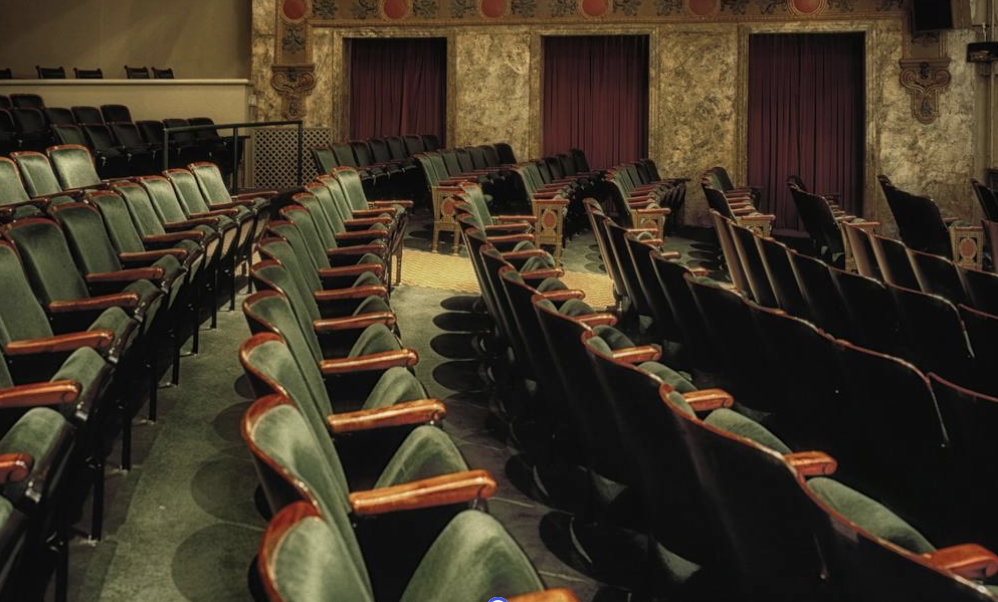
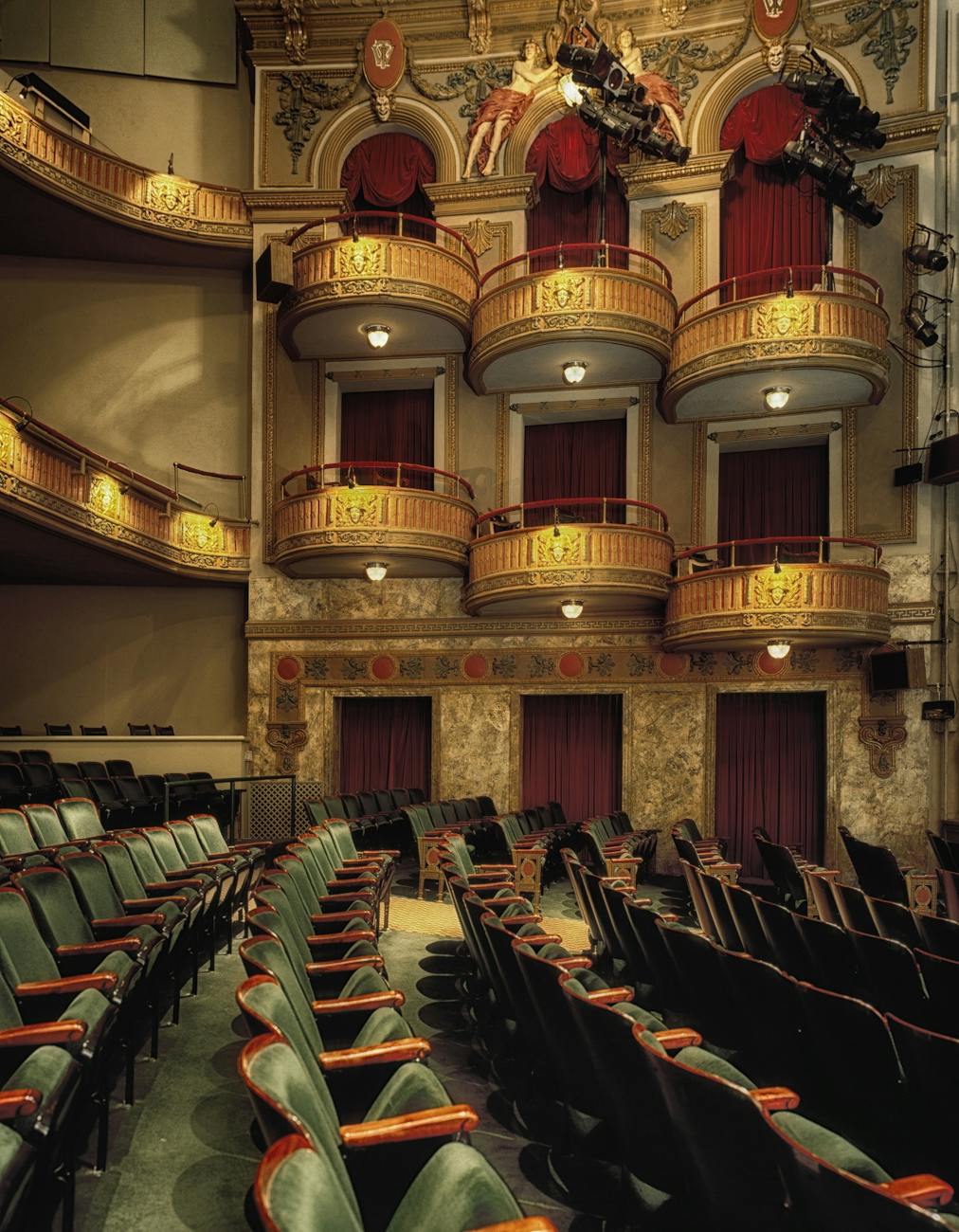
| As a self-identifying theater fanatic, I often attend the symphony, musicals, and plays with my friends—most of whom happen to be over the age of 70. I’ve witnessed the challenges presented to aging adults that, in an effort to preserve nostalgia or history, fail to accommodate those with age-related disabilities. Many theaters prioritize preserving historical architecture, which often makes Americans With Disabilities Act of 1990 accommodations challenging.
An estimated 48 million Americans are experiencing varying degrees of hearing loss, and this number is expected to rise as our population ages. Age-related hearing loss is associated with the natural deterioration of cochlear function and is characterized by its gradual, progressive development. Age-related hearing loss can have significant impacts on social situations and interpersonal interactions. As people age, they give up activities, hobbies, and social interactions. I call this sacrificing joy.
This is about much more than a night on the town. According to a recent paper in Frontiers of Psychology: “Theater-based interventions may provide complex and varied social tasks to older adults, with the potential to reduce social isolation and loneliness by encouraging frequent and engaging social interactions, strengthening social cognition, and facilitating successful aging.”
Impact of aging on theater attendance
Hearing loss, vision loss, and limited mobility are just some variables that could make attending theater challenging as we age. With age-related hearing loss, mishearing or missing punchlines makes comedies difficult to follow. Musicals become less enjoyable. Sometimes all the notes blur together. Some seats are less advantageous, depending on the acoustics. In many cases, the captioning devices in theaters do not meet their needs or are too complicated to use. I spoke with some of my friends about this situation to learn about their perspective.
“I think I would say as an aggregate, the thing that really was the most emphatic, had a most emphatic effect was to be in a theater where I’m listening to the lines of a play and trying to follow the plot. And most particularly, the very earliest part now, I remember, was when I would go to something that was a comedy, and there would be a line said, and the whole audience would laugh. I didn’t laugh because I didn’t hear whatever the funny line was.”
All of these challenges have led aging adults to choose to avoid theatrical productions.
Further challenges
Some venues still require audience members to put their mobility support devices (canes, walkers, etc.) at the top of the stairs or in the hallway. This is a regrettable policy. Not only is it not helpful to ask someone to walk up or down stairs without their mobility support, but it is also embarrassing. Aging shouldn’t be shameful or a public display.
Theaters should also offer closed captioning or other low-tech resources that are easy for aging adults to navigate in a dark theater. No app-based products, no devices with a steep learning curve, just a reliable device to support appreciation of the performance.
What are theaters doing to support aging audiences
Some theaters make use of on-screen captioning. Many of my friends prefer this option to closed caption devices that often go offline at the most inopportune moments. Many theaters have accessible seating that is not just dedicated to people with disabilities but can also be utilized by older adults.
Here in D.C., Gallaudet University and Visionaries of the Creative Arts (VOCA) sponsored shows have captions built into their shows—presented as words artistically projected onto set walls as if they were part of the set design. Many theaters have enhanced their accessibility options to include a larger selection of accessible seating options, large-print programs, and audio descriptions. These accommodations are intended for audience members with disabilities but work for aging populations as well.
What’s next?
As we age, we lose our loved ones—children grow up and move away, friends are aging at the same rate as we are, and partners pass away. Suddenly, the people we used to attend theater with are no longer around or able to attend theater with us; and attending theater alone loses some of its spark. It can often feel like a sad reminder of the past.
Theaters that are interested in engaging this core demographic might consider organizing performances that welcome older adults. “After talks” with the director and cast could take advantage of this audience’s insights and observations, as well as turning a night at the theater into an occasion for socializing.
Dr. Chandra Char has a Ph.D. and Masters in Public Health. Her expertise is in aging and disability. In her free time, she enjoys crocheting, baking, and performing improv comedy.

 Aging in America News
Leave a comment