| Observations of a Newly Minted Older Person
| Louis Tenenbaum
| I type badly. If I stop watching the keyboard and get excited about an idea, what appears on the screen can be almost unreadable. But sometimes typos make me think. While scrolling through my ever-growing list of column ideas, I noticed a typo. I had written: “Falls Still Dreams.”
That stopped me. I usually write Falls Steal Dreams. I use the phrase a lot—in presentations, conversations, and pitch decks about grab bars. We all have plans and expectations for our lives, and then a fall happens and suddenly everything shifts. That’s what I mean by steal.
But the typo made me pause. Maybe steal is too dramatic.
An occupational therapy website defines a fall as “an untoward event in which you come to rest, inadvertently, on the ground.” A marvel of understatement. No mention of canceled trips, diminished confidence, or the slow shrinking of daily life that can follow.
I was out with friends recently, carefully negotiating icy D.C. sidewalks. As we split up to head to our cars, one friend went down. Hard. Two thoughts crossed my mind immediately: (a) there’s no ice right there; and (b) Oh no, there goes their upcoming Mexico trip! Luckily, just bruises. (Later, his wife texted to report she’d finally thrown out the shoes with the perpetually problematic laces.)
Not every fall steals dreams. But many still them, in the sense of the Merriam-Webster definition: “to arrest the motion of,” as in “rivers stilled by dams.”
Many of us have attended a funeral where the conversation included: “They just never really came back after that fall.” Sometimes people die from falls, but more often the fall marks the beginning of decline. A few days of rest turn into weeks of inactivity. Confidence fades. Life gets smaller.
The real problem usually isn’t the fall itself. It’s inactivity.
After a fall, sitting more feels sensible. You’re sore. You’re cautious. But muscles weaken with inactivity, balance worsens, and all this feeds fear of falling again—which enforces more inactivity. Muscle tone deteriorates quickly in older bodies, and rebuilding it is hard work. These feedback loops don’t feel dramatic, but they are insidious.
Unfortunately most fall-prevention advice is delivered after the fall.
Fall prevention techniques are widely publicized. Review medications that cause dizziness. Make sure vision and hearing are optimized. Make the home safer. None too difficult. All evidence based. And, along with fall prevention programs like Matter of Balance and STEADI, too often introduced after the fall has disrupted schedules, plans, and… dreams.
The most effective tool, though, is also the simplest: exercise. Not training for the Senior Olympics. Just walking regularly. Some basic strength work. Start by lifting soup cans. Try a few squats. Advance to five-pound weights. A recent Washington Post feature recommends taking the stairs instead of the elevator, while another probes the topic of senior fitness further.
The good news is exercise makes you feel great once you are into it, even though it is the very thing a fall pushes you to avoid. It is what you must do to fight back. So, avoid the battle, exercise before the fall. Your odds of falling decline. Recovery, if you do fall, is faster. And your dreams stay intact.Falls don’t always steal dreams. But they still them often enough that preparation matters much like planning a trip well before take off is better than waiting to land at your destination.
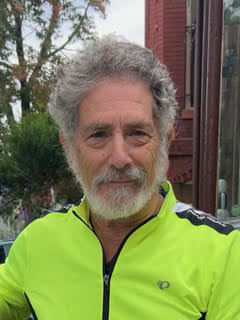
Louis Tenenbaum is a longtime advocate for aging in place, co-founder of the HomesRenewed™ Coalition, the HomesRenewed™ Resource Center, and HomesRenewed Ventures, LLC and a nationally recognized expert on home modifications that support independent living. Discover more columns in this series.

 Aging in America News
Leave a comment