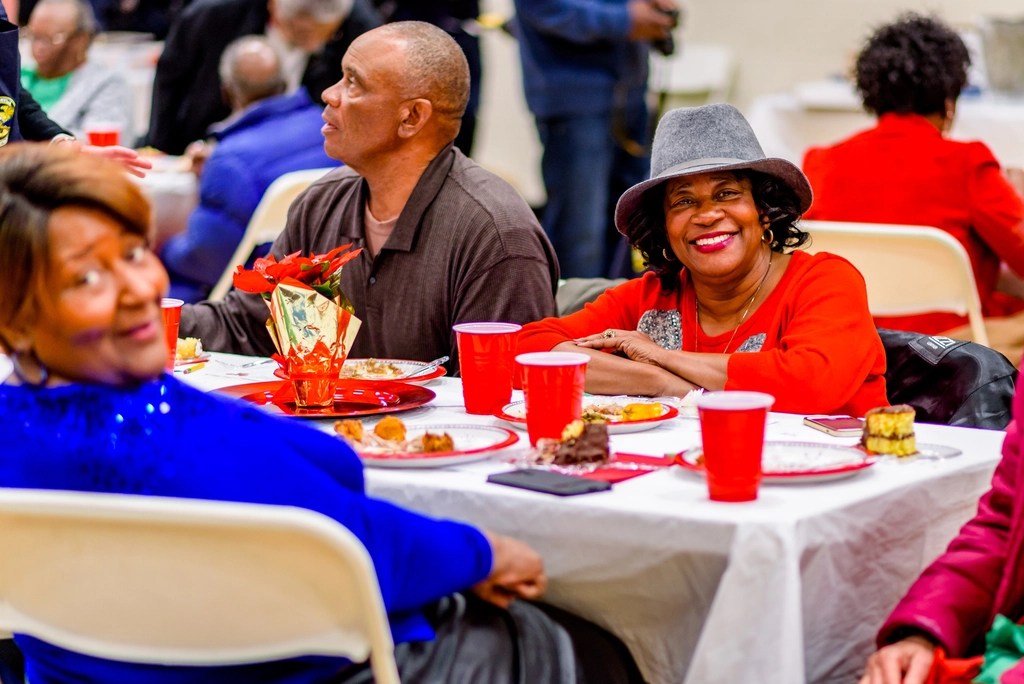
| Upper-income older adults note better physical and mental health and more time spent pursuing hobbies and socializing
| Jessica Beebe
| Finances have a lasting impact on the quality of life for older adults in the U.S.
The proportion of Americans aged 65 and older increased from 12.4 percent in 2004 to 18 percent in 2024, according to the U.S. Census Bureau. A declining birth rate, an increased life expectancy, and the fact that Baby Boomers are now in their 60s and 70s are some of the factors that contributed to this rise in older adults.
In its ongoing effort to analyze how the country is changing socially and demographically, Pew Research Center surveyed 8,750 U.S. adults in September 2025 to record and share their reflections on aging in America.
The study, published in November, found that among adults ages 65 and older, experiences with aging differ vastly by income.
“Income is central to the aging experience,” said Luona Lin, Pew research associate and co-author of the report. Among adults ages 65 and older, she said, “those with higher incomes are much more likely to say they are aging extremely or very well.”
Of the older adults in the upper-income tier, 49 percent stated that their physical health is excellent or very good, and 73 percent said their mental health is excellent or very good. Many upper-income older adults said that they often spend time pursuing hobbies, socializing with friends, and participating in clubs and groups.
Lucas H., an 85-year-old New Yorker who lives on the Upper West Side, said he is certainly “better off in his old age” than those with less income.
“My higher than average salary certainly led to privilege in my senior years,” Lucas said. “A couple of decades ago, I was able to afford medical treatments I needed, as well as a personal trainer, two things that I believe led to my long-term good bodily health.”
Lucas retired around age 70 and spent several fulfilling months traveling and seeing his kids. “Today, things are harder, but I am in relatively good physical shape,” he said. “I can afford to see doctors when I need to. I keep my mind sharp with books and puzzles. I can get myself to the movie theater or to lunch with friends.”
But older adults in the lower-income tier said they spend less time pursuing those social and recreational activities. Only 26 percent stated they have excellent or very good physical health, and only 45 percent saying they have excellent or very good mental health. Lower-income individuals were less likely to report time spent engaging in hobbies or socializing with friends.
“Factors most strongly associated with how well older adults are aging include health, financial security, and social support,” said Lin. “Older adults with higher incomes are doing better in each of these areas than those with middle and lower incomes.”
Lin added that those on the lower-income side are less likely than their middle- and upper-income counterparts to say it’s easy for them to carry out “every day physical activities such as walking, climbing stairs or carrying groceries.” And, they are more likely to experience mental confusion or memory loss.
The study found that more than four in ten U.S. adults under 65 are not confident that they will have enough income and assets to last through their retirement years, with some noting that they will never be able to retire.
Financial concerns, including the future of Social Security, was the most commonly cited reason for feeling worried about what their lives might be like in their 70s.
When asked what kind of advice the study participants would give younger people, in regards to aging, Lin said that half offered health advice, while 37 percent offered financial advice. Many stressed the necessity of saving money, and some went into more detail about investment strategies.
Another 2025 report, from the National Council on Aging and the LeadingAge LTSS Center at UMass Boston, found that mortality rates among older adults in the bottom 60 percent of wealth were nearly double those of people in the top 20 percent. Those in the lowest wealth bracket, with annual incomes of $20,000 or less, died on average nine years sooner than those earning $120,000 or more.
This report also found that more than 19 million older adult households lack sufficient income to cover basic living costs.
Organizations like USAging continue to advocate for older adults, calling on Congress to protect the country’s aging population.
Jessica Beebe is a New York City-based writer/reporter. Contact her with any scoops at jessica.beebe.ny [at] gmail [dot] com.
 Aging in America News
Leave a comment