| How Caregivers Are Reshaping the American Workplace
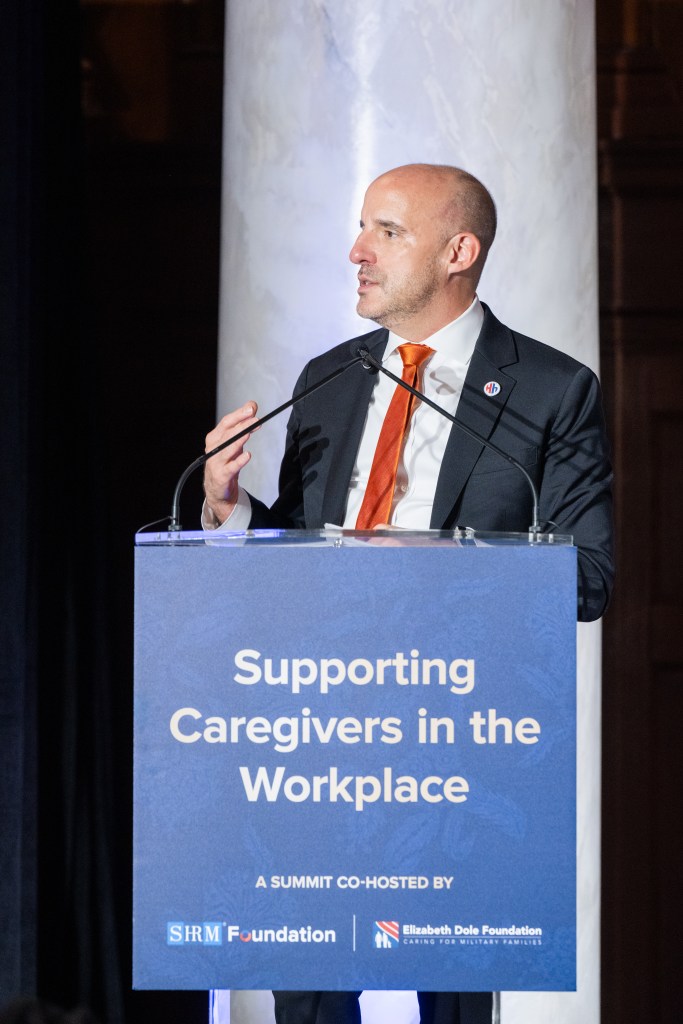
| In November, the Elizabeth Dole Foundation and SHRM Foundation (the charitable arm of the Society for Human Resource Management, the national association of HR professionals) launched a national initiative to elevate and empower America’s caregivers in the workplace. Aging in America News spoke to Elizabeth Dole Foundation CEO Steven Schwab about the strategic partnership and how it supports Americans who balance careers with caregiving responsibilities—including 14.3 million who care for service members and veterans.
| What should we know about the Elizabeth Dole Foundation?
We started from a very personal, profound experience that Senator Elizabeth Dole went through caring for [her husband], the late Senator Bob Dole. At the peak of the Iraq and Afghanistan wars, she found herself at Walter Reed National Military Medical Hospital visiting Bob, who was recovering from knee surgery and repeated bouts of pneumonia for nearly a year. While there, her eyes were opened to a fundamental flaw in the medical system and in society—that veterans were coming home with life-altering wounds, injuries, and illnesses, and families were inheriting caregiving duties that they were never prepared for. That was the first issue. The second was that the system lacked the necessary capabilities to deal with them inside the institutional care setting and certainly nothing once they left. So, she really began to study the issue and realized this was happening in civilian homes as well as military homes. Senator Dole theorized that the country was really going to be trying to figure out how to support a sea of people who’d need long-term care. Turns out, she was right.
What does that kind of need look like?
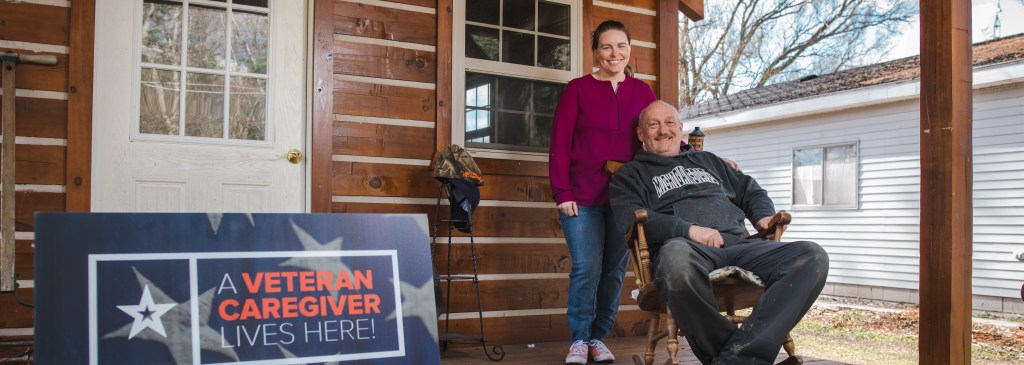
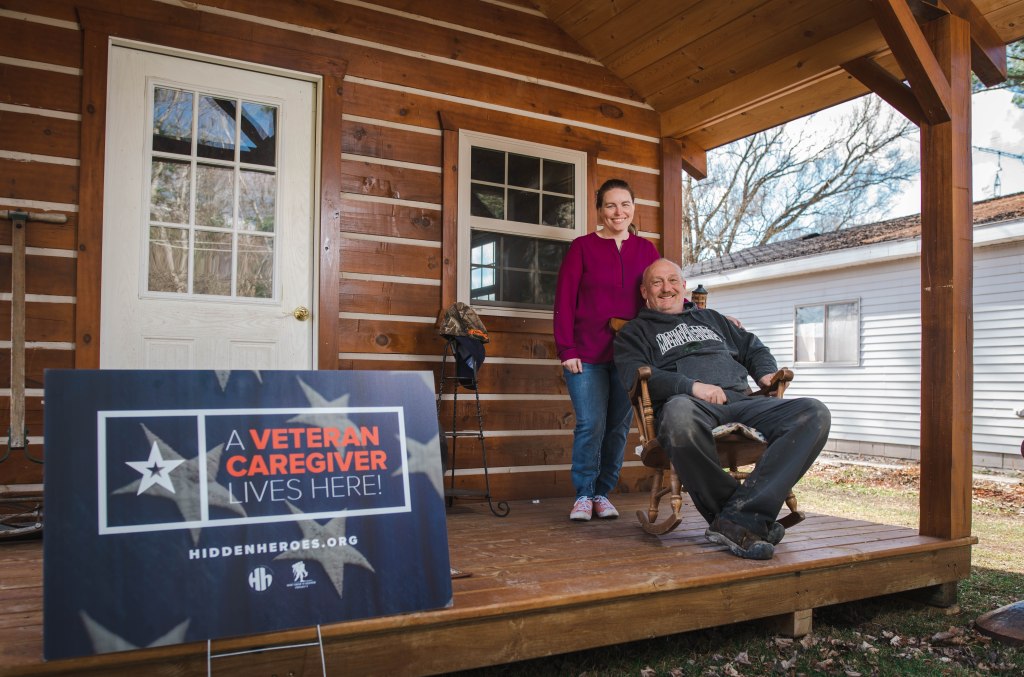
Have you seen the news of a veteran who was a grocery bagger who was still providing care for his wife but didn’t have the resources in his retirement benefits to both provide her long-term care needs and also survive as a couple? GoFundMe raised $1.7 million for him, which allowed him to retire. I mention this example because the data tells us that there are many people in the 65-plus age range who’ve worked for a lot of their lives and yet still need to have some gainful employment to be able to afford the out-of-pocket costs associated with long-term care for their loved ones. And on a good day, it can be tough for someone at that stage of life to find gainful employment.
How is the foundation responding?
This is some of the most important work many of us will do in our lifetimes. What we are doing is helping define and strengthen a new category of support for the broader caregiving population. We have built meaningful awareness and launched programs and solutions that are already making a difference for military and veteran caregivers, with clear potential to inform and scale to the larger caregiving community. That progress has helped shape four core pillars of focus: economic mobility, mental and emotional health, children and families, and reforming the healthcare ecosystem.
How did the partnership with SHRM come about?
Like a lot of organizations across the country, SHRM became aware of the data we commissioned with RAND. What was groundbreaking about our study was the screening criteria RAND used and how it recalibrated the numbers of Americans who are serving in caregiving roles. All the former studies, including our first one, started by asking participants if they were caregivers. And if you know anything about caregiving, most people don’t self-identify as a caregiver. I’m a spouse or I’m a sibling. Or I just arrange medication, bathing, feeding, dressing, my loved one. Instead, RAND asked, “Are you doing any of the following things?” as the opening question, and a whole lot more people indicated that they were. So SHRM saw that and did some research among its 355,000 members across the world. Suddenly, members were telling them, “We need help creating caregiver-friendly work environments, employee support groups, training for our managers and C-suite leaders, pretty much top to bottom.” And so we joined forces with SHRM to co-lead a national, cross-sector effort strengthening support for caregivers in the workplace.
Companies care about attracting and retaining talent.
Right. And all the data says that caregivers are some of the best employees, because they can multitask, they’re loyal, they manage very well, and they focus. We put a stake in the ground and said, “We’re going to do something about it.” For starters, we’re creating initiatives that make it possible and comfortable for people to self-identify and acknowledge their caregiving and for people to talk about that experience. And everybody bought in, and now we’re building the solution sets. We’re going to work on training for managers and C-suite leaders and boards. We’re going to work on employee resource group development. We’re really thinking comprehensively and strategically about how to approach this in phases.
Who else do you see as being a part of the growing coalition?
AARP is a big player in this, and they’re very engaged. The U.S. Chamber of Commerce, too. And we’ve got a lot of pioneering companies who are interested, including Fortune 500 leaders who see the value in supporting employees with caregiving responsibilities.
Do you see policy change as part of the effort? Can companies making change internally lead to broader policy change?
There’s small-p policy, which happens in an HR environment, and then there’s big-P policy that happens at the government level to incentivize corporate America to provide this kind of environment for folks who are providing long-term care to loved ones. So, it’s two-pronged. It’s policy inside the company and policies that encourage companies to provide support for caregivers, from tax incentives to educational benefits, to subsidies for long-term care.
What will it take to engage both political parties on the issue of caregiving?
We maintain strong, bipartisan relationships on Capitol Hill with leaders on both sides of the aisle—many of whom have caregiving stories of their own. We also work closely with the Administration, including senior leaders such as the Secretary of the U.S. Department of Veterans Affairs, who share a deep understanding of the challenges facing caregivers and the urgency of supporting them.
 Aging in America News
Leave a comment