
| Mark Swartz
| This article was written with the support of a journalism fellowship from the Journalists Network on Generations, the Gerontological Society of America and the NIHCM Foundation.
| The 12.5 million Americans who qualify for both Medicare and Medicaid could see their benefits slashed as states grapple with massive funding reductions under recent federal legislation.
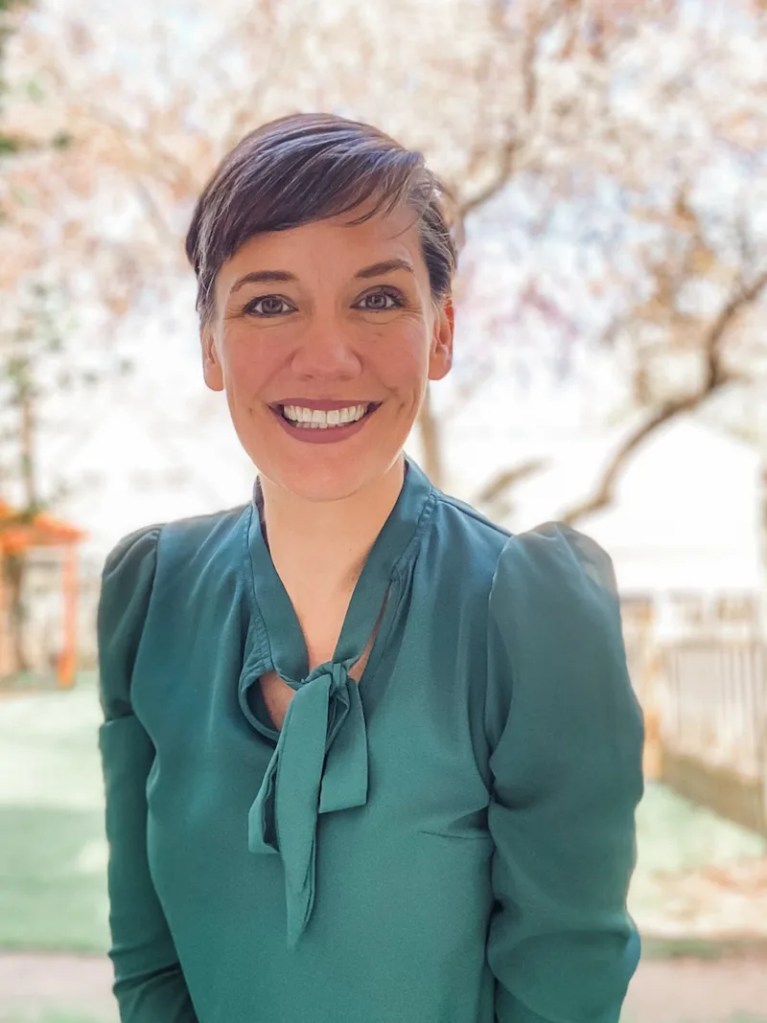
Amber Christ, a senior attorney at Justice in Aging, says the $1 trillion in cuts to Medicaid and SNAP funding over the next decade—the fallout of H.R.1, also known as the One Big Beautiful Act—poses a number of interlocking threats. The challenge is particularly acute because nearly all the services dual eligibles depend on through Medicaid are optional for states to provide.
As an advocate who educates advocates, Christ often encounters misunderstanding of the differences between Medicare and Medicaid, and the complex ways in which they do and don’t work together at the state level. “People typically understand Medicare eligibility more,” she says. “So I start off by saying these are people who are eligible for Medicare, either because they are age 65 and over or they’re under 65 with a disability, and then they’re individuals who have very low income and resources in order to be eligible for Medicaid.”

The group is diverse but disproportionately includes women, people of color, and residents of rural communities. Despite representing a relatively small share of enrollees, they account for nearly 30% of Medicaid spending, due to their complex health and social needs.
While Medicare covers basic medical care, Medicaid provides crucial wraparound services, including long-term care, transportation, and in many states, dental, vision, and hearing benefits. For those only partially eligible, Medicaid helps pay Medicare premiums and out-of-pocket costs through Medicare Savings Programs. Christ has been tracking these cuts since her law school days, when she wrote her application essay about Missouri eliminating adult dental benefits. This experience shaped her decision to pursue public interest law.
She points to housing instability, poverty, and food insecurity as major drivers of the high costs associated with this population. Now, as states face unprecedented budget shortfalls, those same individuals are being hit from multiple angles as both Medicaid and SNAP funding shrinks.
“You’re going to cut provider rates, you’re going to cut eligibility, or you’re going to cut benefits,” Christ explains. “Those are your three choices, and none of those are acceptable.”
Christ notes that many states, both Democratic and Republican, have adopted more generous financial eligibility standards than required by federal law for older adults and people with disabilities. States could also turn to scaling these provisions back, to offset the loss in federal Medicaid funding.
Justice in Aging is working with state advocates and Medicaid agencies to minimize harm, while also pressing federal officials to ensure Medicare beneficiaries are automatically exempted from new work requirements being imposed on Medicaid enrollees.
The Impact of H.R.1 on Medicaid and Medicare Provisions for Low-Income Older Adults
- Restricts essential Medicaid funding mechanisms, forcing states to cut optional services like Medicaid Home- and Community-Based Services
- Increases barriers to accessing Medicaid coverage, including for long-term care
- Rescinds crucial staffing protections, endangering the lives of millions of nursing home residents
- Eliminates efforts to modernize Medicaid eligibility and enrollment, cutting access to Medicare for millions of low-income seniors dually enrolled in Medicaid and Medicare and making them financially insecure
- Forces states to impose burdensome red-tape, taking away health coverage from millions of low-income older adults, people with disabilities, and their caregivers
- Cuts immigrants’ access to Medicaid, Medicare, and Marketplace
Despite the grim outlook, Christ finds reason for optimism in the fact that states across the political spectrum generally want to support their residents. She’s encouraged by recent guidance from the Centers for Medicare and Medicaid Services that may give states enough flexibility to navigate the cuts.
“Maybe there will even be an opportunity to improve systems, to make some programs work better than they’re currently working,” she says.
Still, with billions of dollars in cuts looming and few viable options for backfilling the gaps, advocates face an uphill battle to preserve essential services for some of the nation’s most vulnerable.
Mark Swartz is the founder of Aging in America News.
 Aging in America News
Leave a comment