
| The Storm Isn’t Coming; It’s Already Here
| Connie Garner
| Here’s the thing about long-term services and supports (LTSS): Everyone thinks it’s someone else’s problem—until suddenly it isn’t. Nearly 70% of people over the age of 65 will need some form of LTSS at some point, with 40% (5-6 million) under the age of 65. Many of these individuals need lifetime support, not just age-related care. That’s not a fringe issue, that’s a norm. Yet in the U.S., we’ve built a system that basically says, “Good luck with that, hope you’ve got savings, a saintly family member, and a lot of luck.”

The economic impact of ignoring this is staggering. Families routinely have to drain life savings, quit jobs, or reduce work hours to care for loved ones. Lost wages, lost retirement savings, and burnout become the invisible tax of our broken system. Nationwide, unpaid family caregivers provide services valued at more than $600 billion a year—more than the country’s entire Medicaid budget. That’s not a quirky statistic; that’s the American economy quietly depending on free labor. And yet, the bill keeps growing. The costs of institutional care are rising, the workforce shortage is worsening, and every family without a plan is one medical emergency away from financial collapse. Pretending this isn’t a problem is like pretending a hurricane isn’t real until it blows off your roof.
That’s not a quirky statistic; that’s the American economy quietly depending on free labor.
Meanwhile, other nations have decided that denial is not a policy. Germany created a mandatory long term care insurance program back in the 1990s funded by payroll contributions. Japan followed in 2000, requiring citizens over 40 years old to pay into a national pool that covers care when they need it. These systems aren’t flawless, but they spread risk across society, treat care as a collective responsibility, and make it possible for families to stay families, instead of collapsing into unpaid, unsustainable labor forces.
In the United States, we cling to a patchwork state Medicaid system that kicks in only if you’re poor enough, and we expect families to absorb the cost difference. That’ s not strategy—that’s gambling. And the odds are ugly.
So here’s the real question: When will Americans admit they don’t know who they’ll be or what they’ll need 24 hours from now? Independent, or suddenly dependent? Caregiver, or cared-for? Until we recognize that LTSS is not a niche issue but a universal storm already brewing, we’ll keep mortgaging futures one family at a time.
When will Americans admit they don’t know who they’ll be or what they’ll need 24 hours from now?
And let’s be clear: This isn’t a Democrat issue or a Republican issue. It isn’t based on “special interest.” It’s about all of us, sooner or later. We will all need care, or provide it, or pay for it. The storm doesn’t care how you vote—and neither will the medical bill that shows up at your doorstep or in your inbox. One viable way forward is to consider including a self-directed LTSS option, within a universal financing framework—a system where people have control over their care and base the need for care on functionality, not on age or a diagnosis. A system that shares the costs through a national and personal investment. Think of it as insurance against inevitability—funded broadly, structured fairly, and designed to honor dignity and personal responsibility. That’s not just good policy—it’s the only sustainable path through the storm we have created.
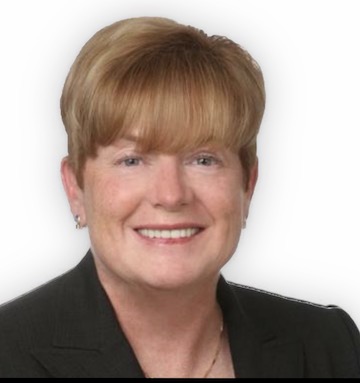
Connie Garner is president and CEO of Garner Public Policy Strategies. For 17 years, she served as Policy Director for Disability and Special Populations to the U.S. Senate Committee on Health, Education, Labor and Pensions (HELP), and served as the primary consultant to the Democratic caucus on disability and special population issues.

 Aging in America News
Leave a comment