
| Liz Seegert
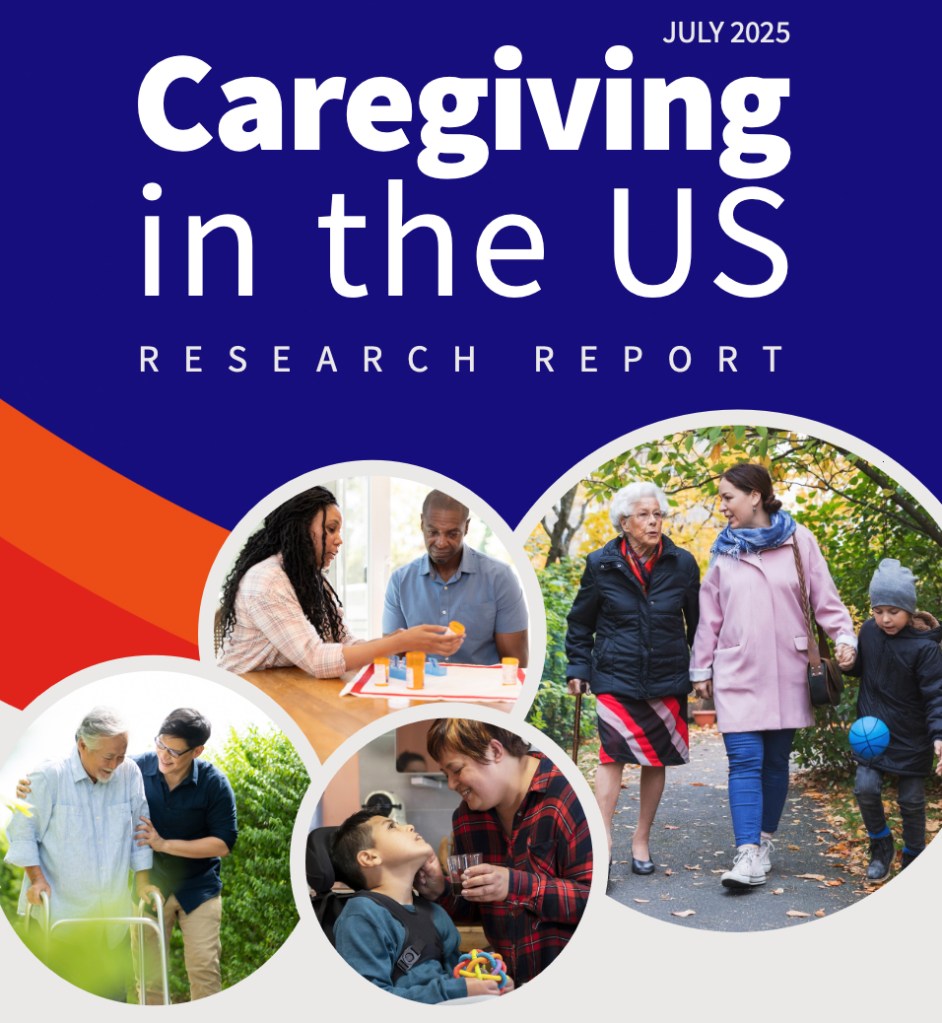
The crisis in family caregiving is growing and getting worse, according to a new report from AARP and the National Alliance for Caregiving. Some 63 million people in the US — nearly one in four — is a family caregiver. That’s a staggering 45% jump from 2015.
It’s almost a given that caregiving impacts caregiver mental and physical health, finances, and employment, a scenario that is only projected to intensify as looming cuts to Medicaid will mean fewer community supports and services for many older people. One in five caregivers now consider their health fair or poor; one in four say they feel completely alone, many fall into debt and struggle to afford basics like food and housing — all while providing increasing more complex care to their loved ones, according to Myechia Minter-Jordan, AARP’s CEO.
“They’re managing medications, coordinating appointments, assisting with essential needs like bathing and dressing while navigating insurance claims, and many are doing this while working, raising children, and trying to stay afloat both financially and emotionally,” she said during a recent press conference introducing the report.
However, only about 11% of family caregivers have received training for basic caregiving tasks, and only 22% get training for more complex medical and nursing tasks, said Jason Resendez, president and CEO of the National Alliance for Caregiving.
While these and other elder advocacy organizations have called on Congress to improve family caregiver supports and services, progress remains incremental, Resendez said. States will have to make tough budget choices, which could include cuts to Medicaid-funded home and community based care programs.
Some families may have the resources to hire paid caregivers to help, but many cannot afford this option without Medicaid funding. But help at home, paid for through certain Medicaid programs, faces its own dilemma, as both immigration reforms and a long-standing shortage of paid care workers will make this option even more scarce, especially for those in rural areas.
Tech can fill some gaps
There may be an opportunity for the technology sector to step in and fill some of these gaps.
“Caregivers are already voting with their thumbs – the use of remote-monitoring apps, wearables and video check-ins has nearly doubled since 2020 to 25%, while 41% now track health records and 39% manage finances digitally. That quiet tech adoption shows caregivers are ready for tools that save time and sanity,” said Neal Shah, CEO of CareYaya health technologies, a digital platform that matches families with pre-health college students as a cost-effective option for in-home care.
“Tech is a huge advancement to equitable access to caregiving support and innovation must be encouraged,” Shah said. Combining innovative approaches like pre-screened workers, voice assistants, GPS-enabled wander-alerts and tablet-based medication reminders, can turn overwhelmed sons and daughters into more confident care managers.
Liz Seegert is an independent journalist covering aging, women’s health, policy, and related issues. She is based in New York’s Hudson Valley. In part II of this feature, she will explore the perils and inequities of tech solutions as well as some potential solutions.

 Aging in America News
Leave a comment